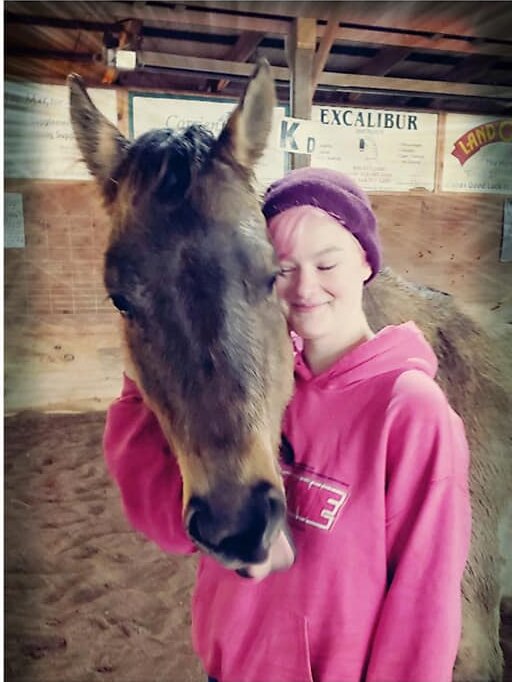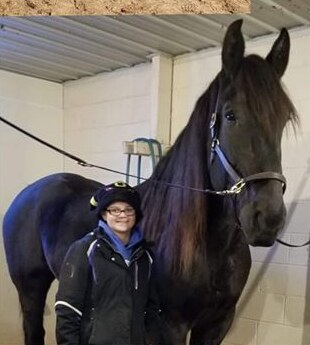
The first conversation. Brushing a horse slows your breathing, steadies your hands, and teaches you to read small signals: an ear turning toward you, a sigh, a leg cocked in relaxation.
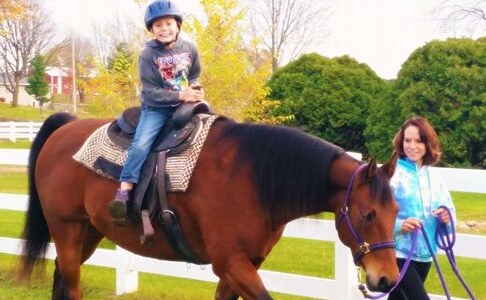
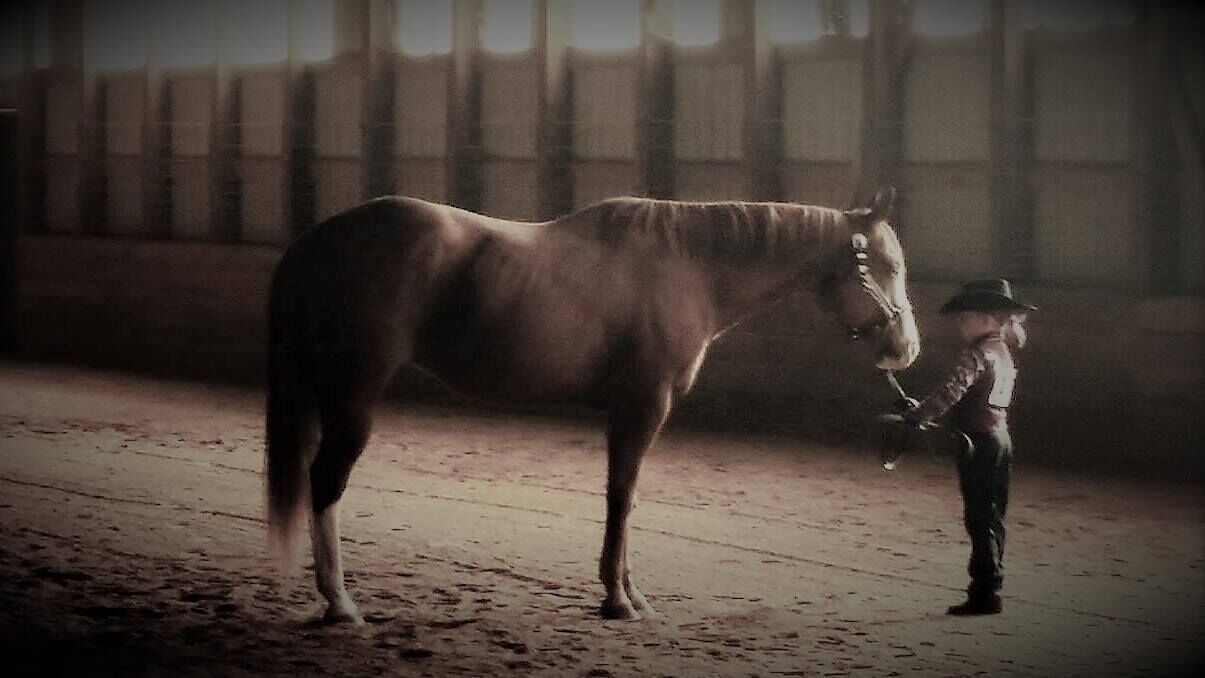
Walking a horse on a lead rope is a lesson in clear, calm leadership. Pull and they brace. Ask with confidence and they follow. People are surprised how much that carries over to home.
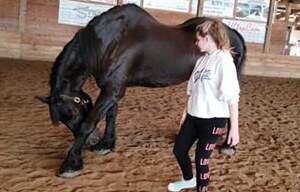
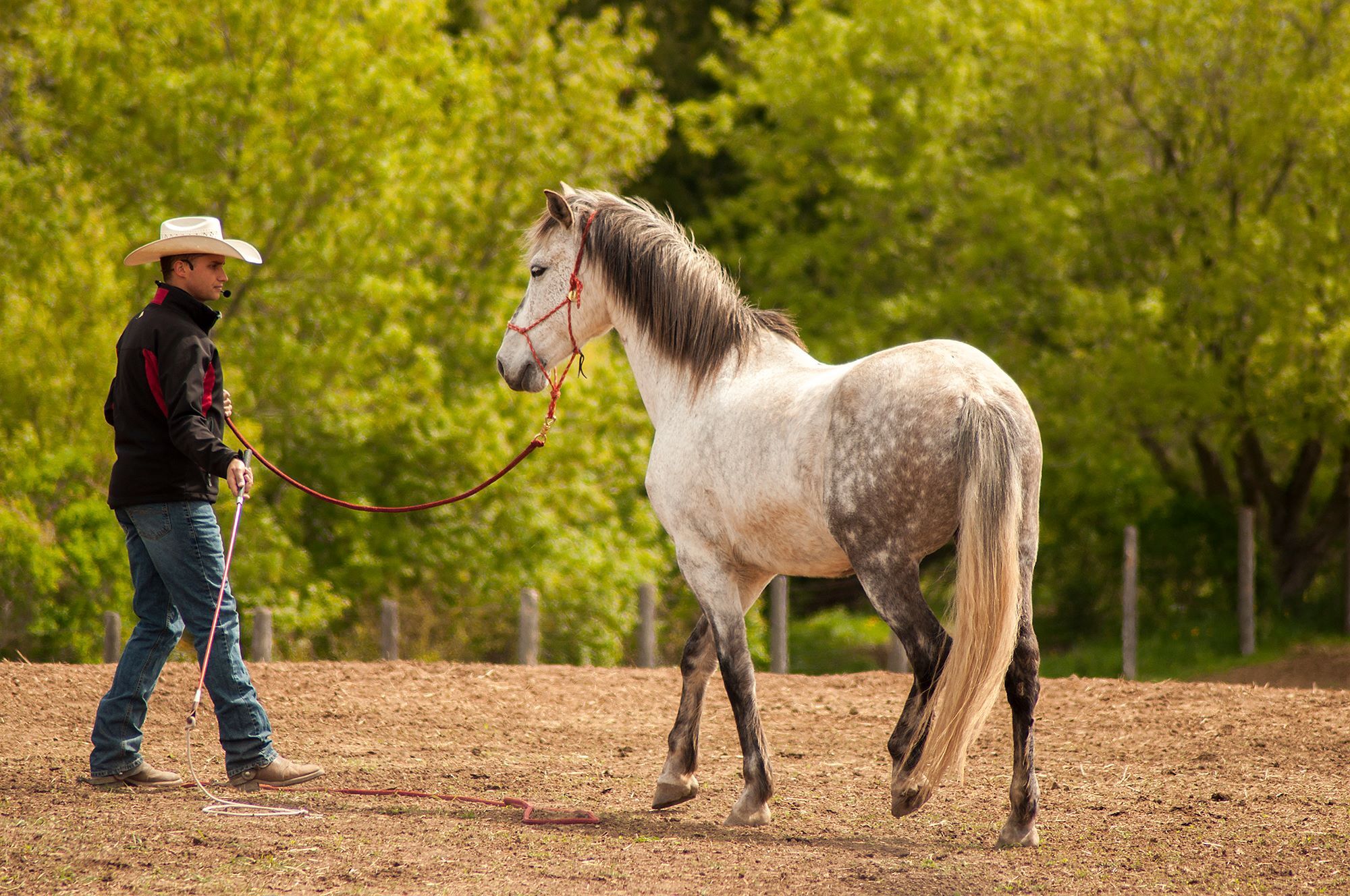
No rope at all. Asking a free horse to walk, stop, and turn with you using only your body and energy. When it works, participants describe it as the first time they felt truly listened to.
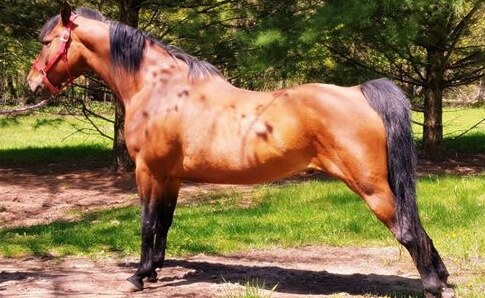
Poles, cones, tarps and bridges. Guiding a horse through a course you designed builds planning, patience, problem-solving and teamwork, and it’s a lot of fun.
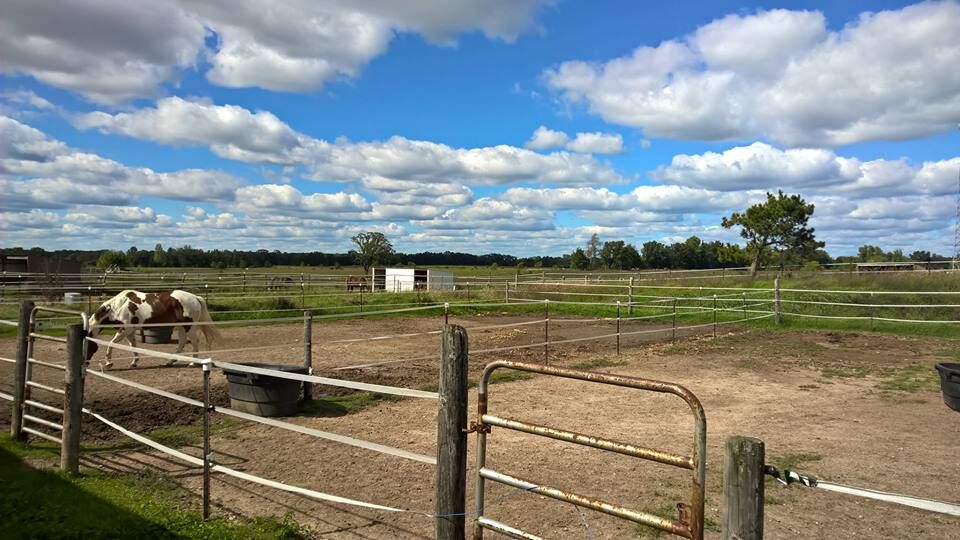
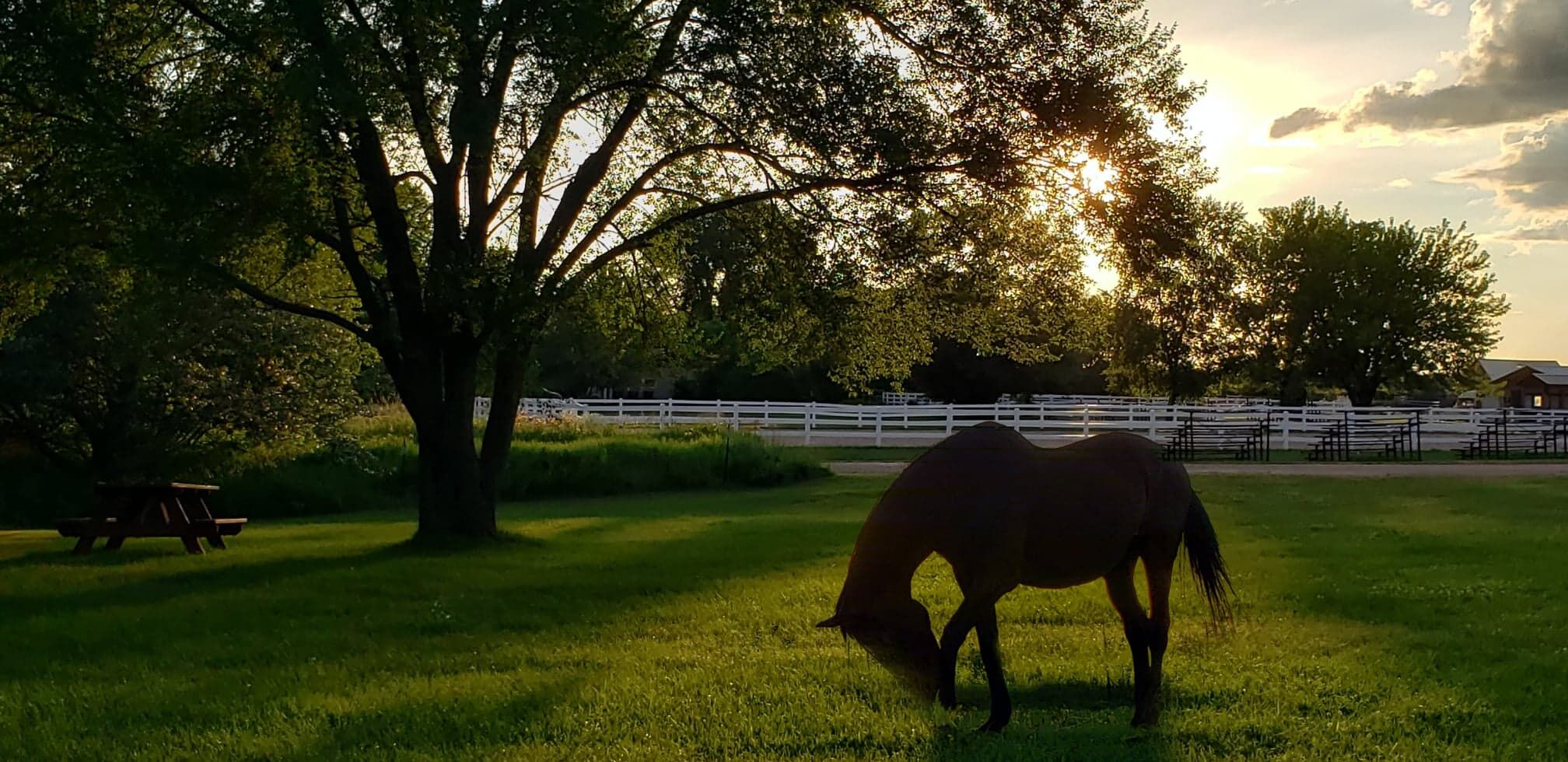
Sometimes the best session is a slow walk around the property with a horse beside you. Conversations come easier side by side than face to face.
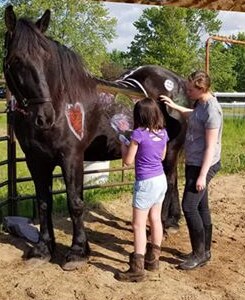
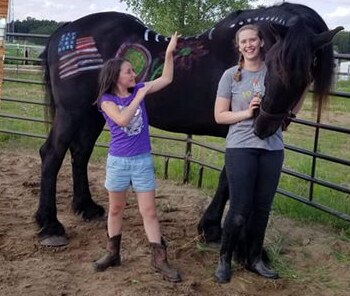
Washable, horse-safe paint and a living canvas. Kids love it; so do veterans. It’s creative, physical, a little silly, and it builds trust, because the horse has to stand still for you.
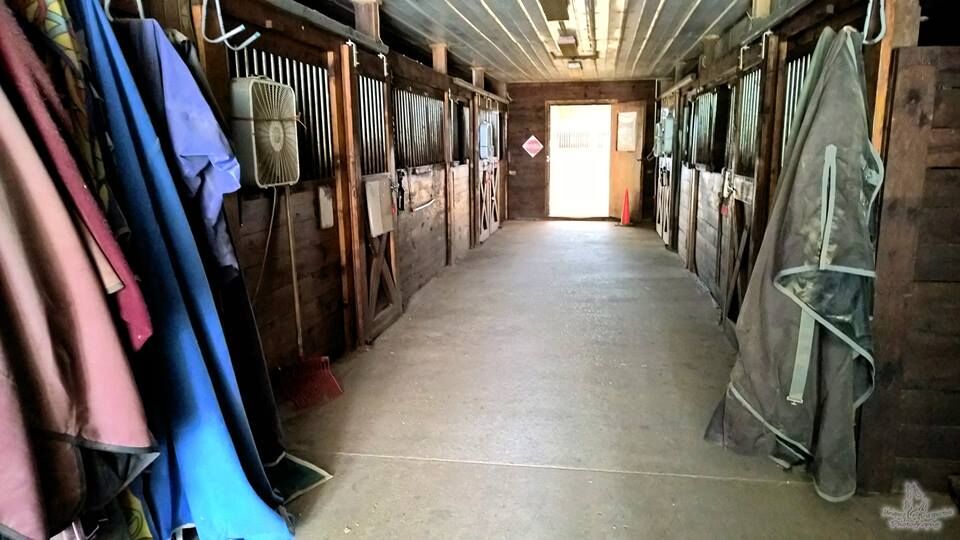
Feeding, bathing, picking hooves, cleaning tack. Taking real responsibility for another living thing is one of the oldest confidence-builders there is.
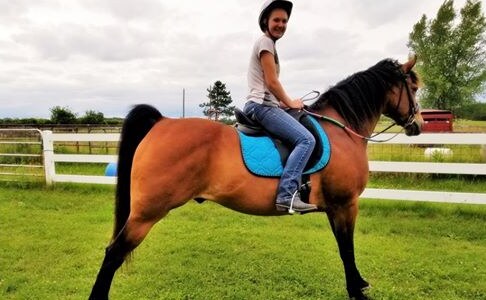
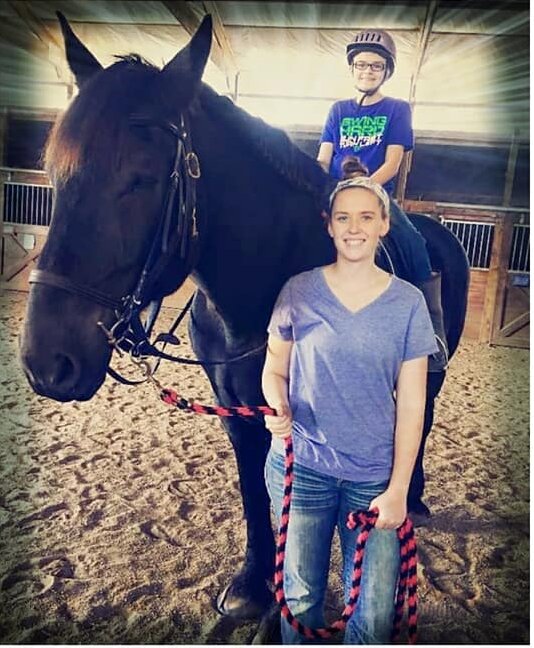
For participants who are ready and want to, mounted work adds balance, core strength and a big dose of accomplishment, always with a leader at the horse’s head and sidewalkers close by.